How AI is Revolutionizing Small and Medium-Sized Enterprises in Cambodia
Published on Sunday, 06-07-2025
How AI is Revolutionizing Small and Medium-Sized Enterprises in Cambodia
Artificial Intelligence (AI) is no longer a futuristic concept; it’s a powerful tool being actively adopted by businesses of all sizes to enhance operations and drive growth. For Small and Medium-Sized Enterprises (SMEs) in Cambodia, embracing AI can be a game-changer, offering solutions to common challenges and paving the way for increased productivity and competitiveness. This post will delve into what AI is, its benefits for SMEs, the challenges faced, and practical applications for integration.
What is Artificial Intelligence?
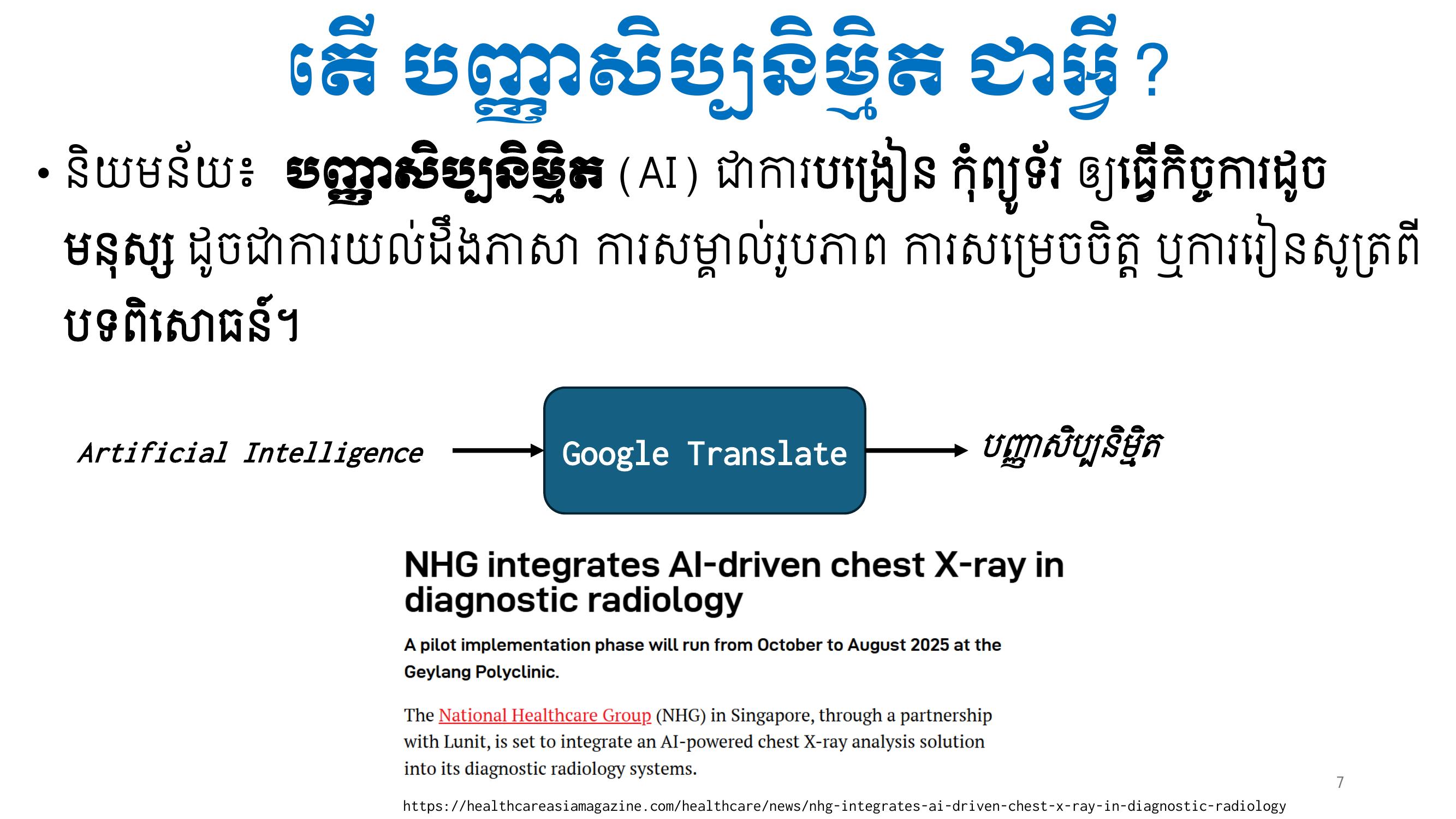
At its core, Artificial Intelligence (AI) involves teaching computers to perform tasks that typically require human intelligence. This includes abilities such as understanding language, recognizing images, making decisions, and learning from experience.
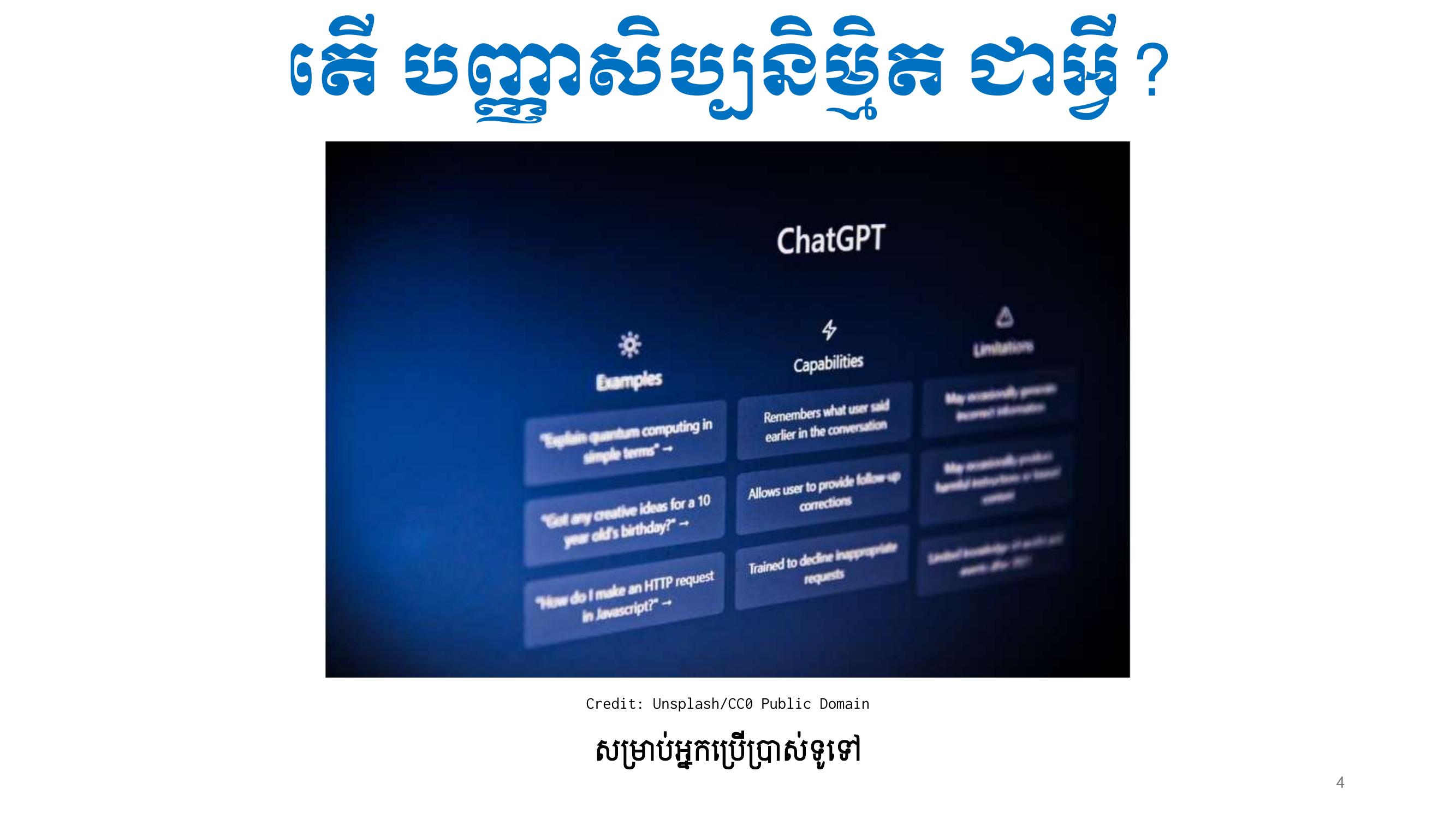
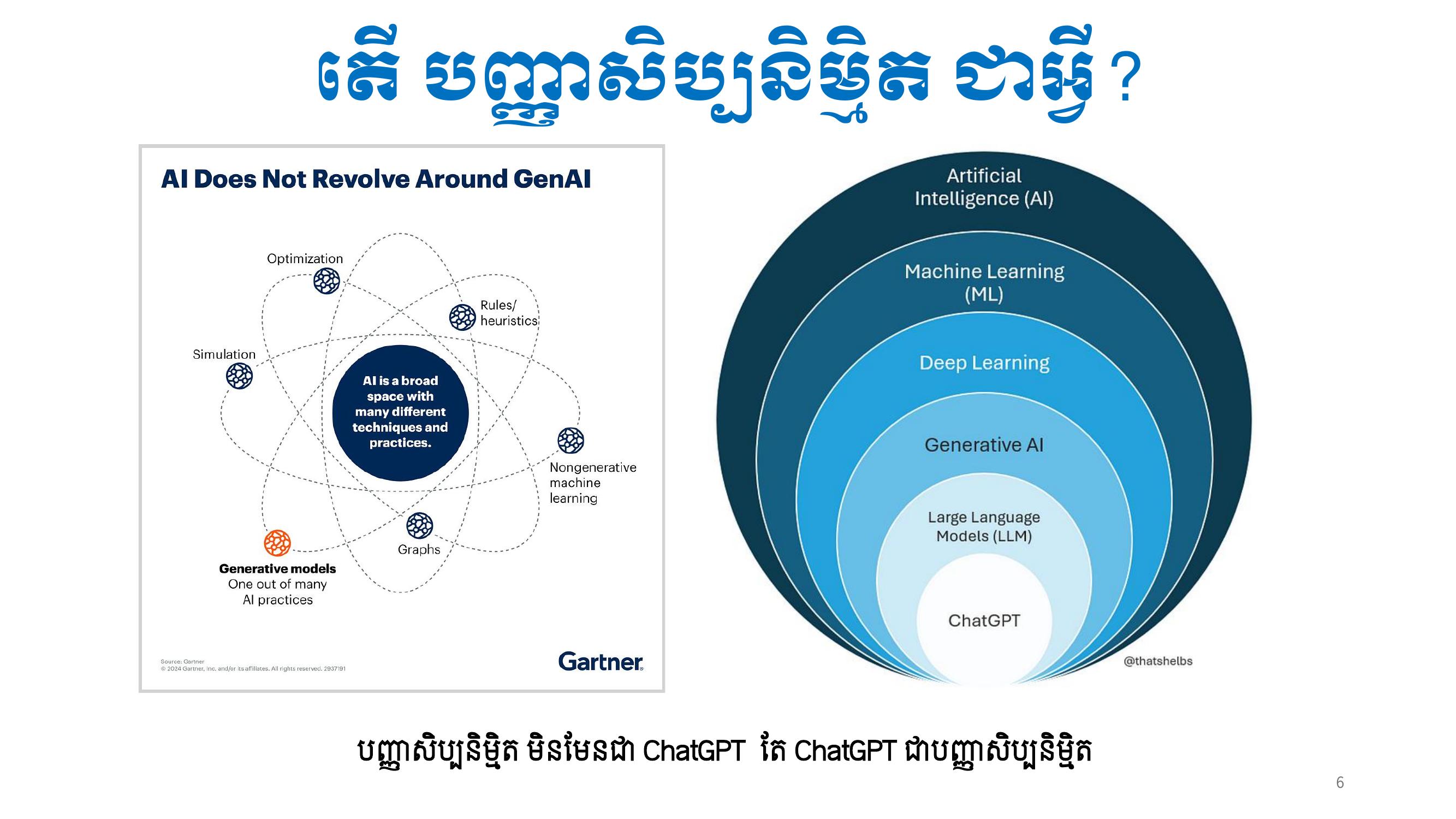
While often associated with advanced technologies like ChatGPT, it’s important to understand that AI is a broad field encompassing many different techniques and practices. ChatGPT, for instance, is a type of Large Language Model (LLM), which falls under Generative AI, a subset of Deep Learning, which in turn is a subset of Machine Learning, and all of these are components of the larger field of Artificial Intelligence. So, while ChatGPT is AI, AI is not exclusively ChatGPT.
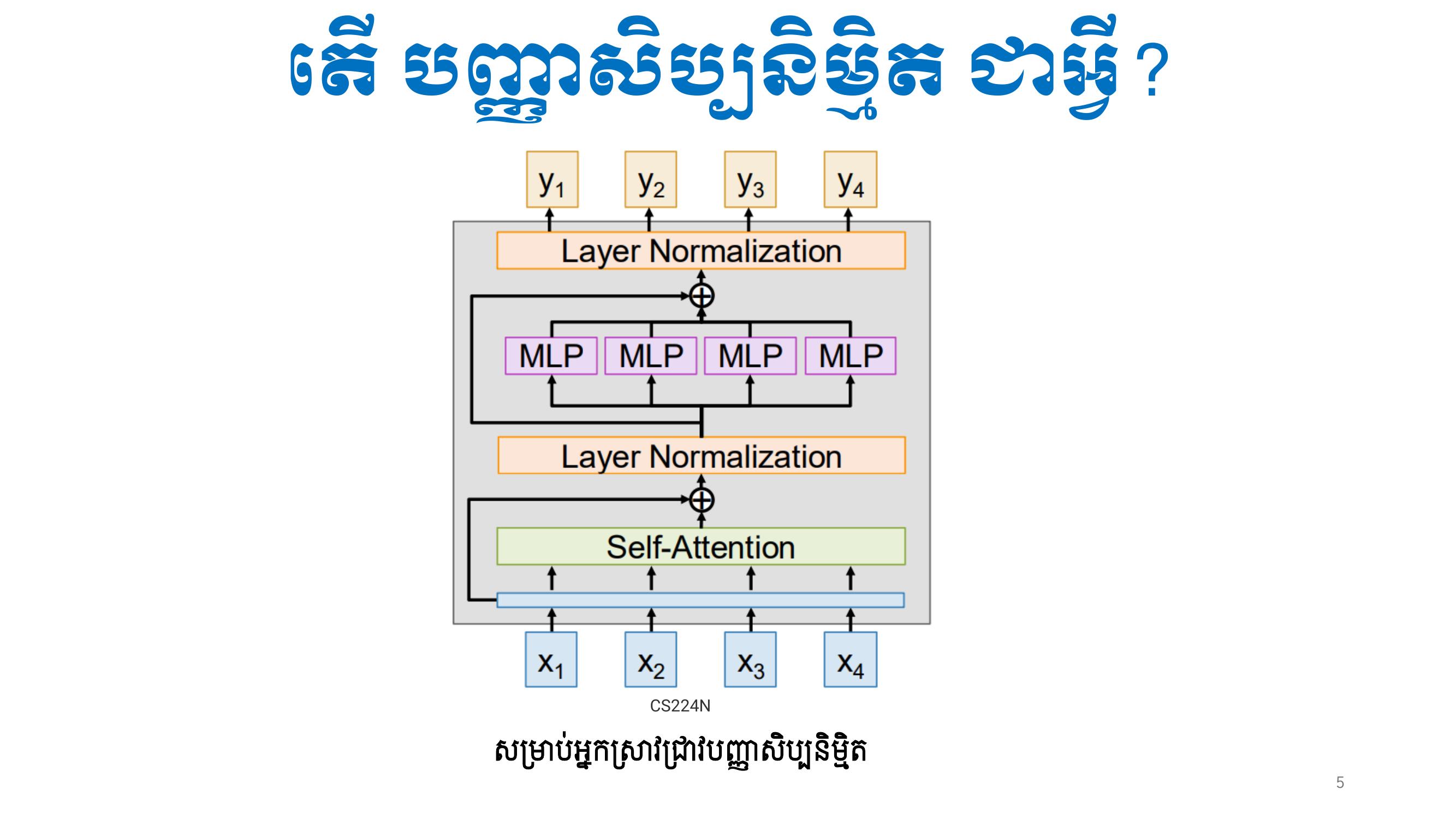
For the general user, AI is exemplified by applications like Google Translate or AI-driven chest X-ray analysis in diagnostic radiology. For AI researchers, it involves complex models and algorithms like those seen in the CS224N framework, which includes concepts like Layer Normalization and Self-Attention.
The Impact of AI on SMEs
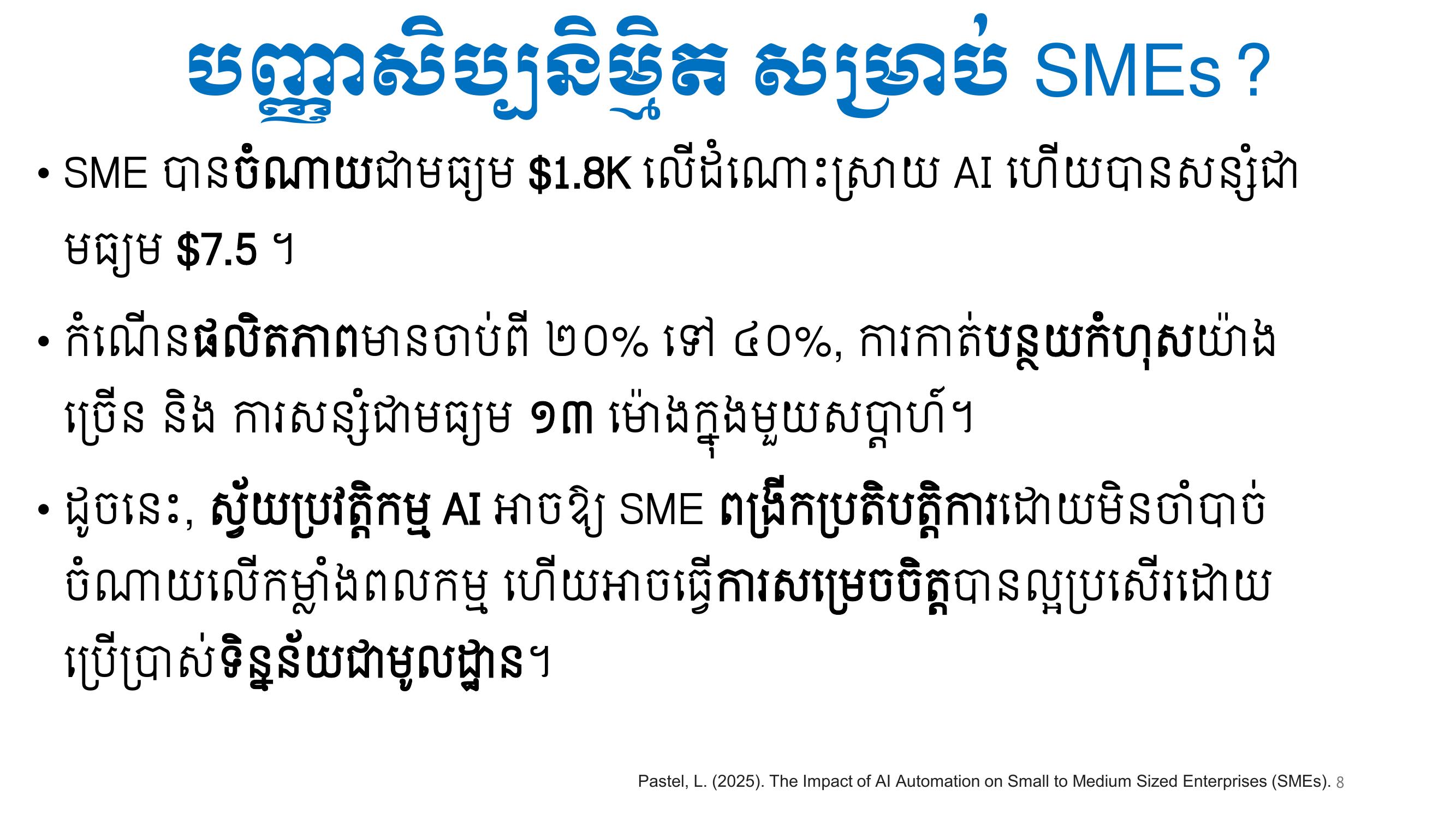
The benefits of AI for SMEs are significant. On average, SMEs have invested around $1.8K in AI solutions and seen an average saving of $7.5K. This translates to productivity gains ranging from 20% to 40%, substantial error reduction, and an average saving of 13 hours per week.
Essentially, AI automation empowers SMEs to scale their operations without the proportional increase in labor costs. It also enables better data-driven decision-making, leading to more informed and effective strategies.
Common Challenges Faced by SMEs
Despite the clear advantages, many SMEs grapple with several operational hurdles that AI can address:
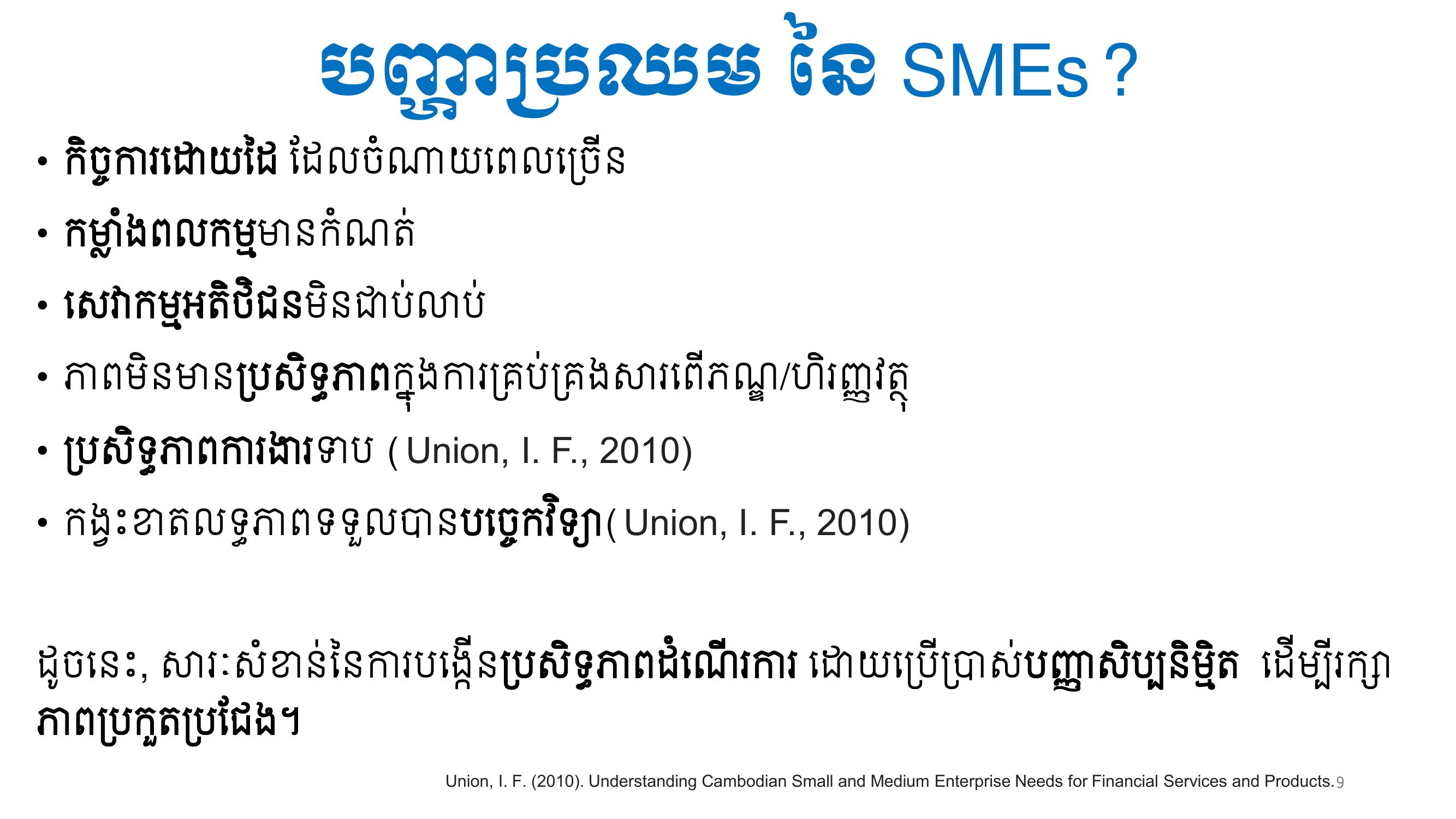
- Time-consuming manual tasks: Repetitive tasks consume valuable time and resources.
- Limited workforce: SMEs often operate with smaller teams, limiting their capacity for growth and specialized functions.
- Inconsistent customer service: Maintaining uniform and responsive customer support can be challenging.
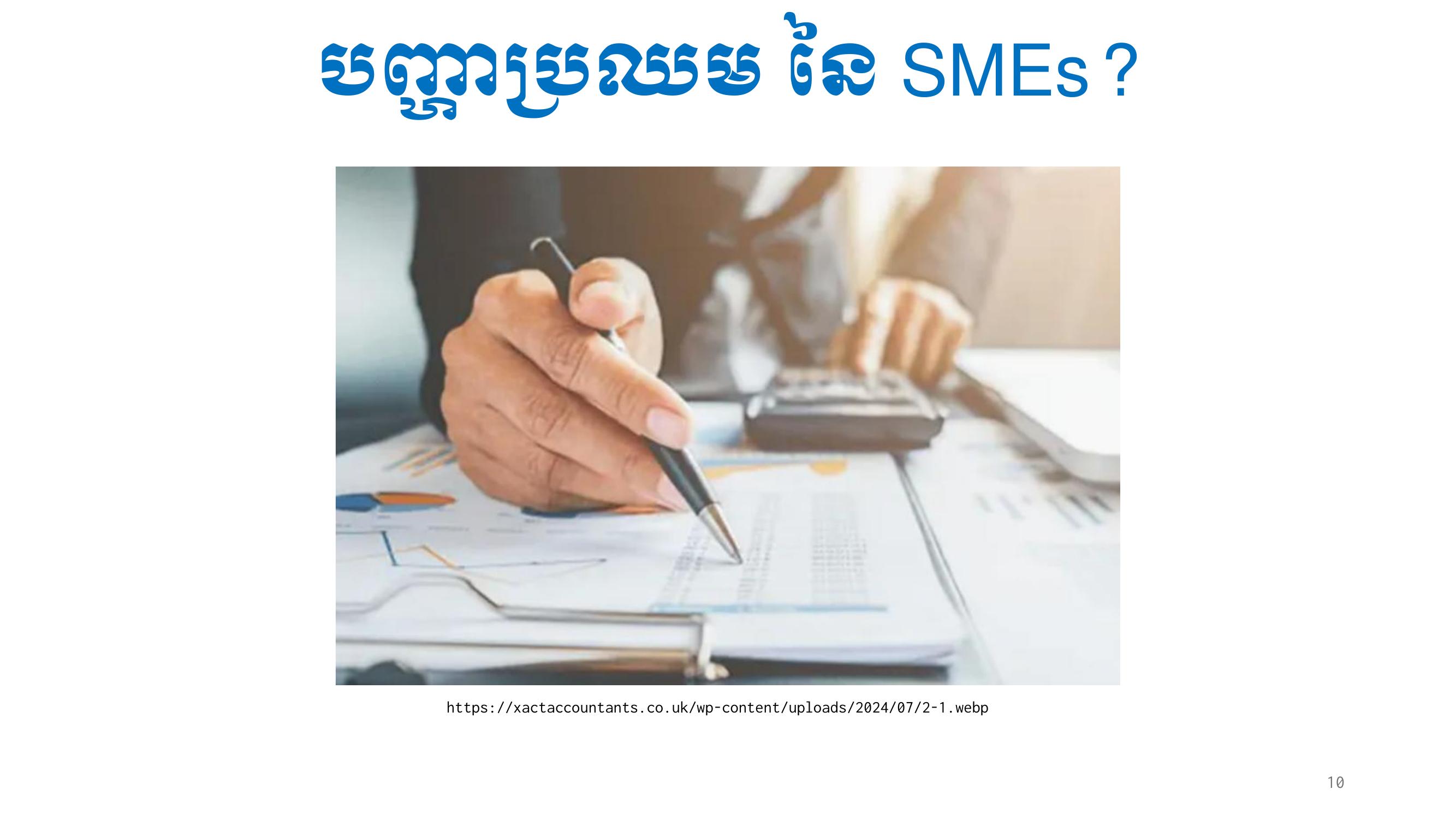
- Ineffective inventory/financial management: Poor management in these areas can lead to significant losses.
- Low work efficiency: Overall operational inefficiencies can hinder productivity.
- Lack of access to technology: Many SMEs face barriers in adopting new technologies.
These challenges highlight the critical need for process optimization through AI to maintain competitiveness.
Practical AI Applications for SMEs
AI offers diverse solutions across various business functions for SMEs:
Automation and Efficiency
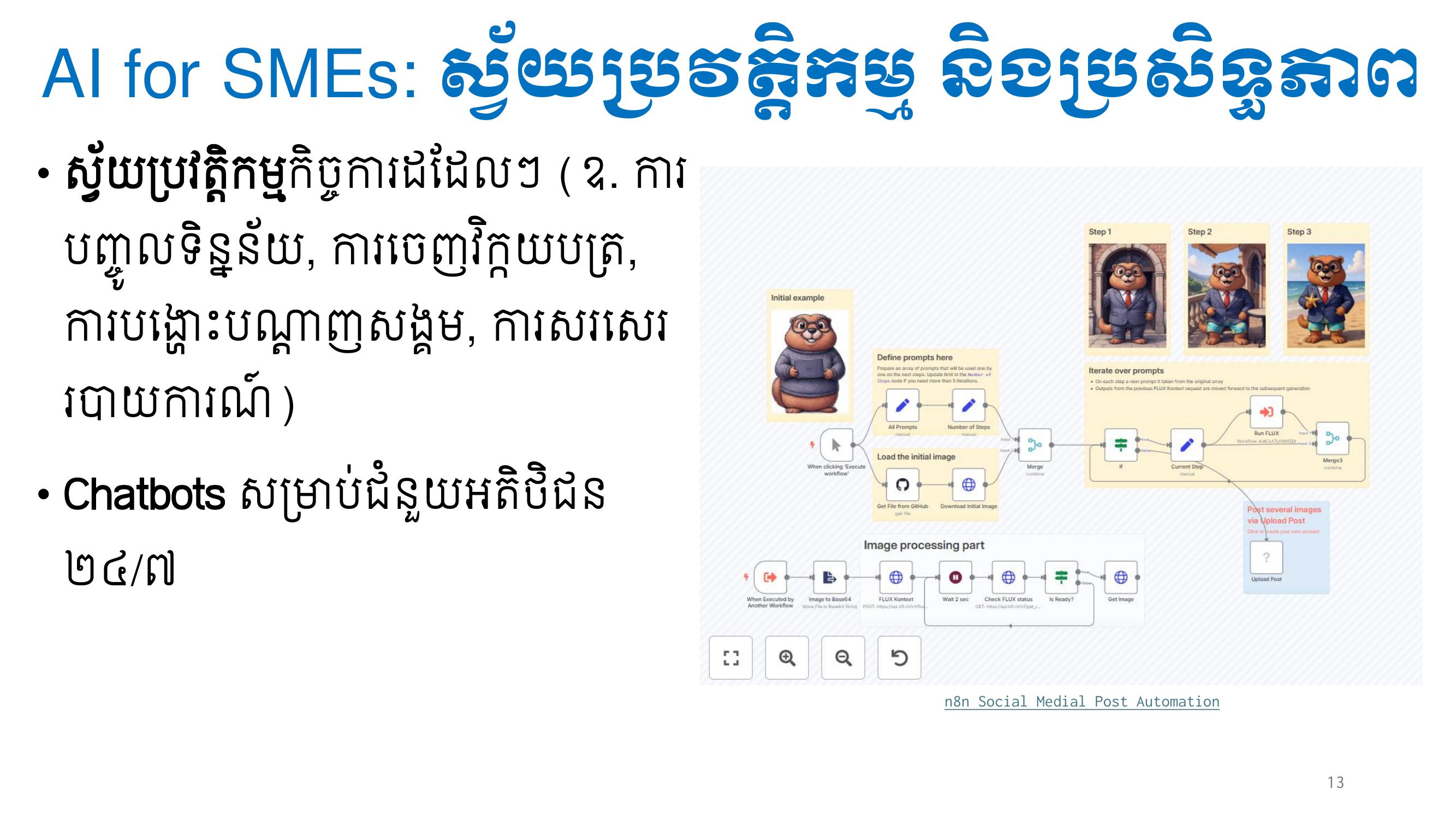
- Automating routine tasks: AI can handle data entry, report generation, and social media posting, freeing up human resources for more strategic work.
- 24/7 Chatbots for customer support: AI-powered chatbots can provide instant and consistent customer service, enhancing satisfaction.
Smart Decision-Making
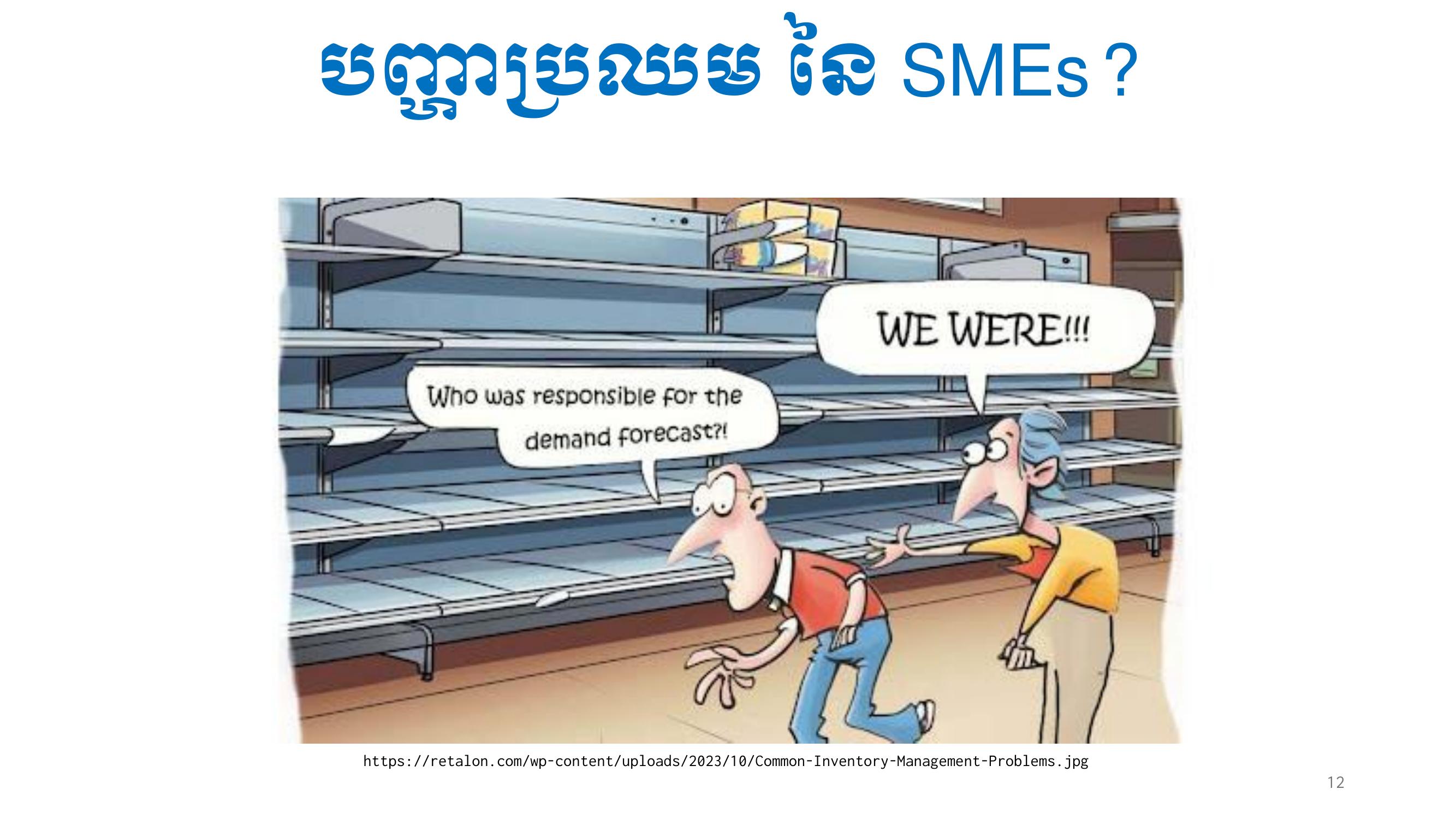
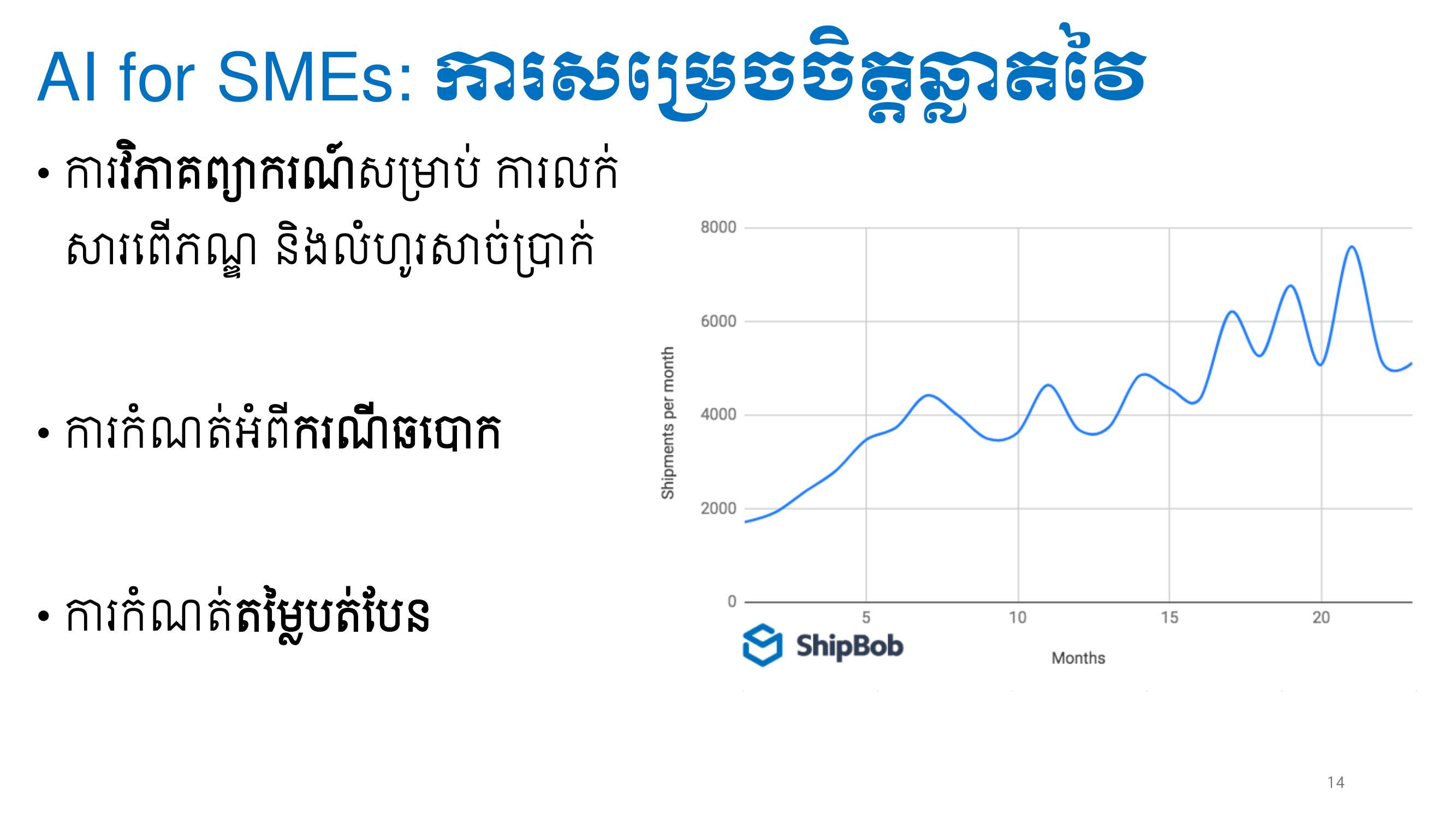
- Sales forecasting and inventory management: AI can analyze data to predict sales trends and optimize inventory levels, minimizing waste and maximizing profitability.
- Fraud detection: AI algorithms can identify unusual patterns to flag and prevent fraudulent activities.
- Dynamic pricing: AI can analyze market conditions and demand to set optimal prices in real-time.
Personalization and Customer Engagement
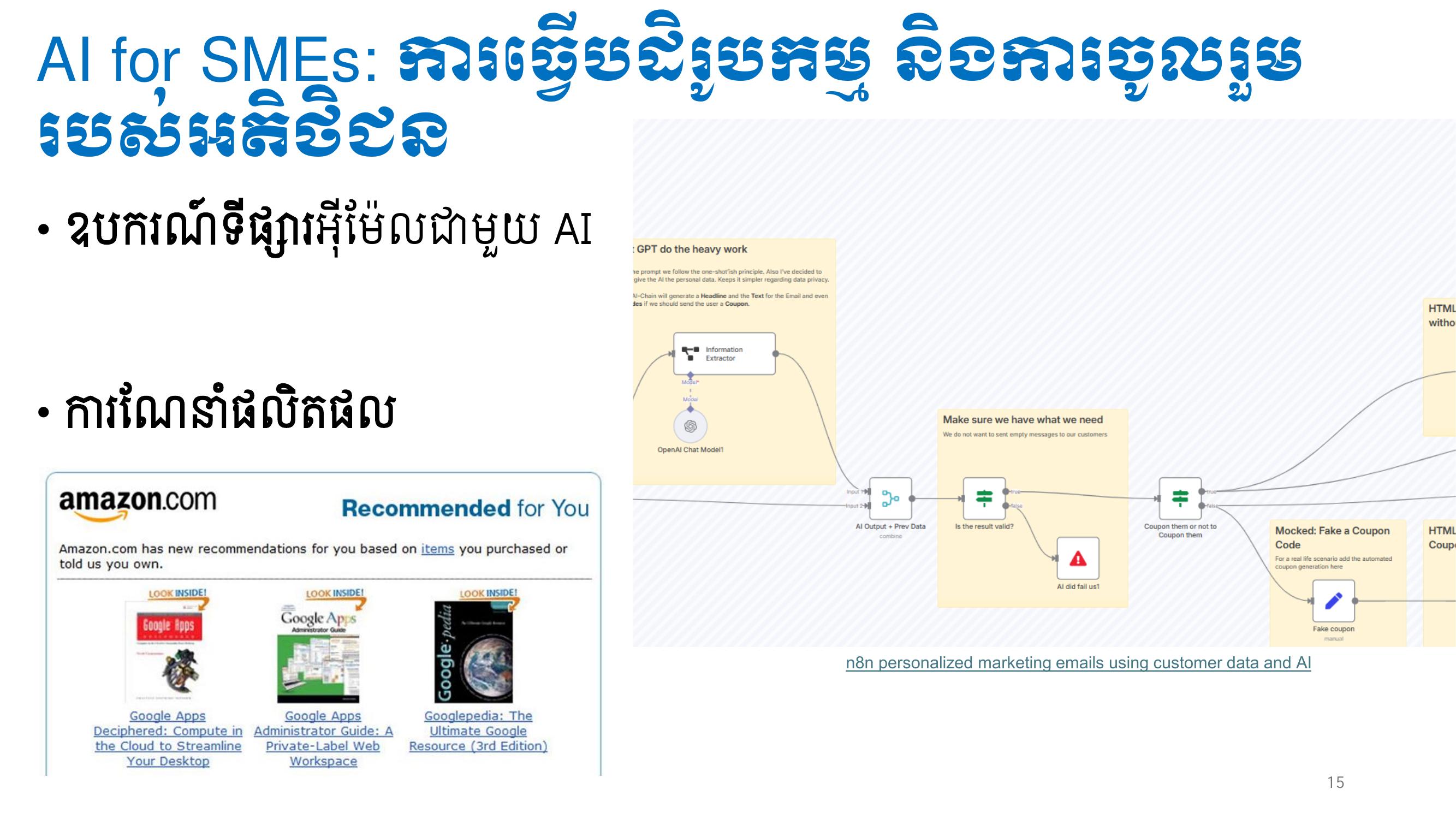
- AI-powered e-commerce tools: AI can enhance online shopping experiences by providing personalized product recommendations. This is similar to how platforms like Amazon recommend products based on your purchase history.
- Personalized marketing emails: AI can leverage customer data to create highly targeted and effective marketing campaigns.
Image and Document Recognition
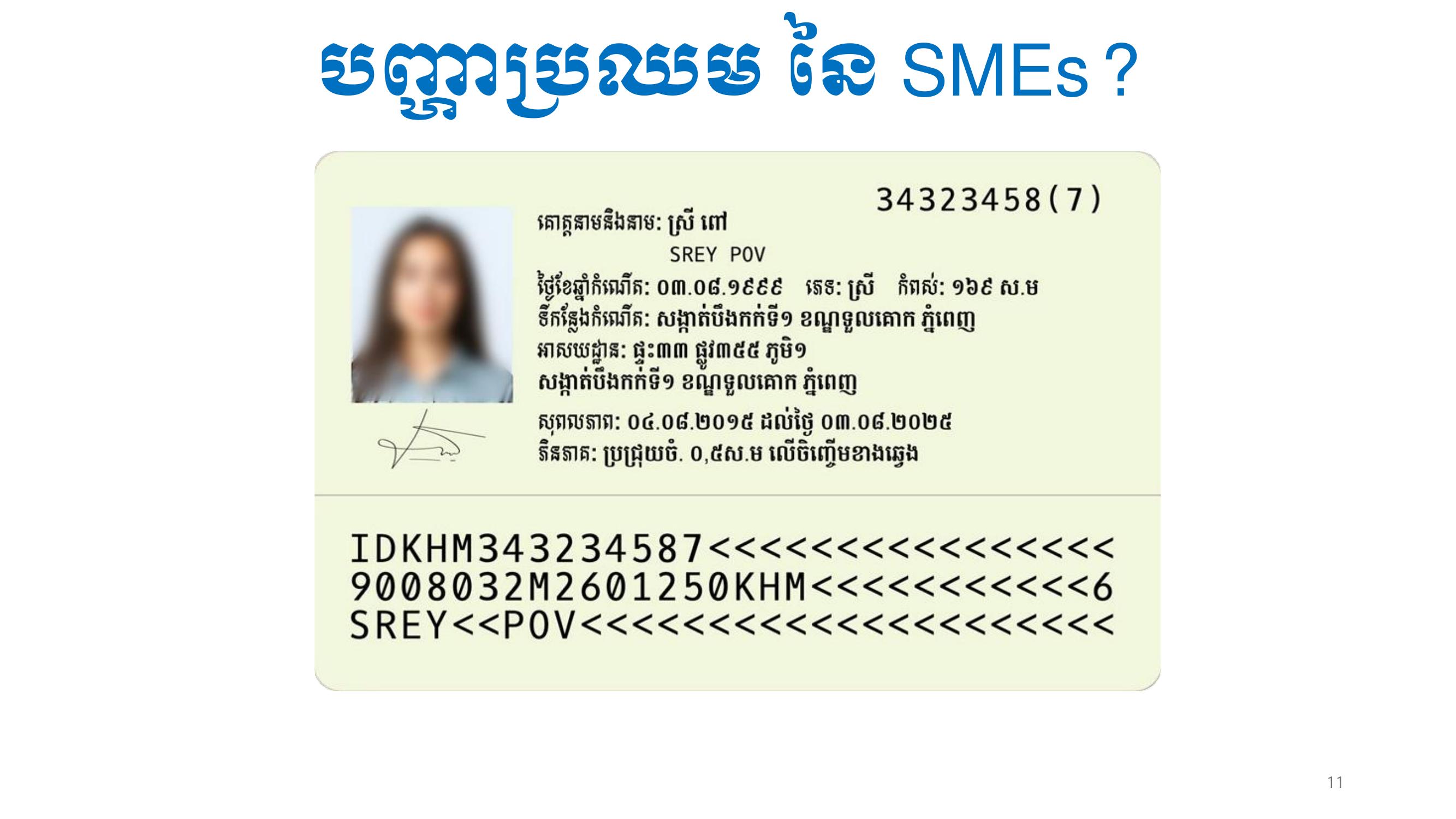
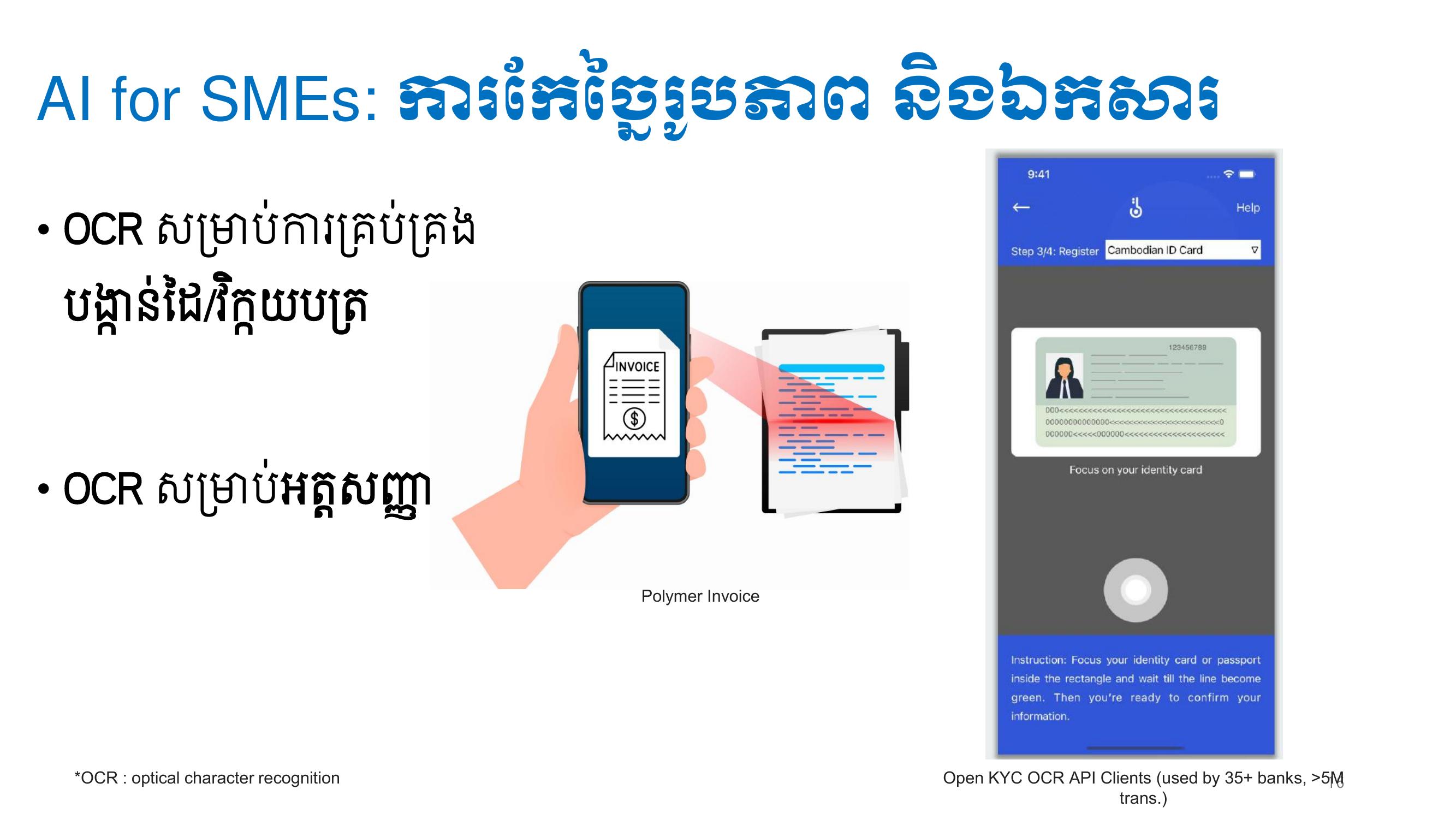
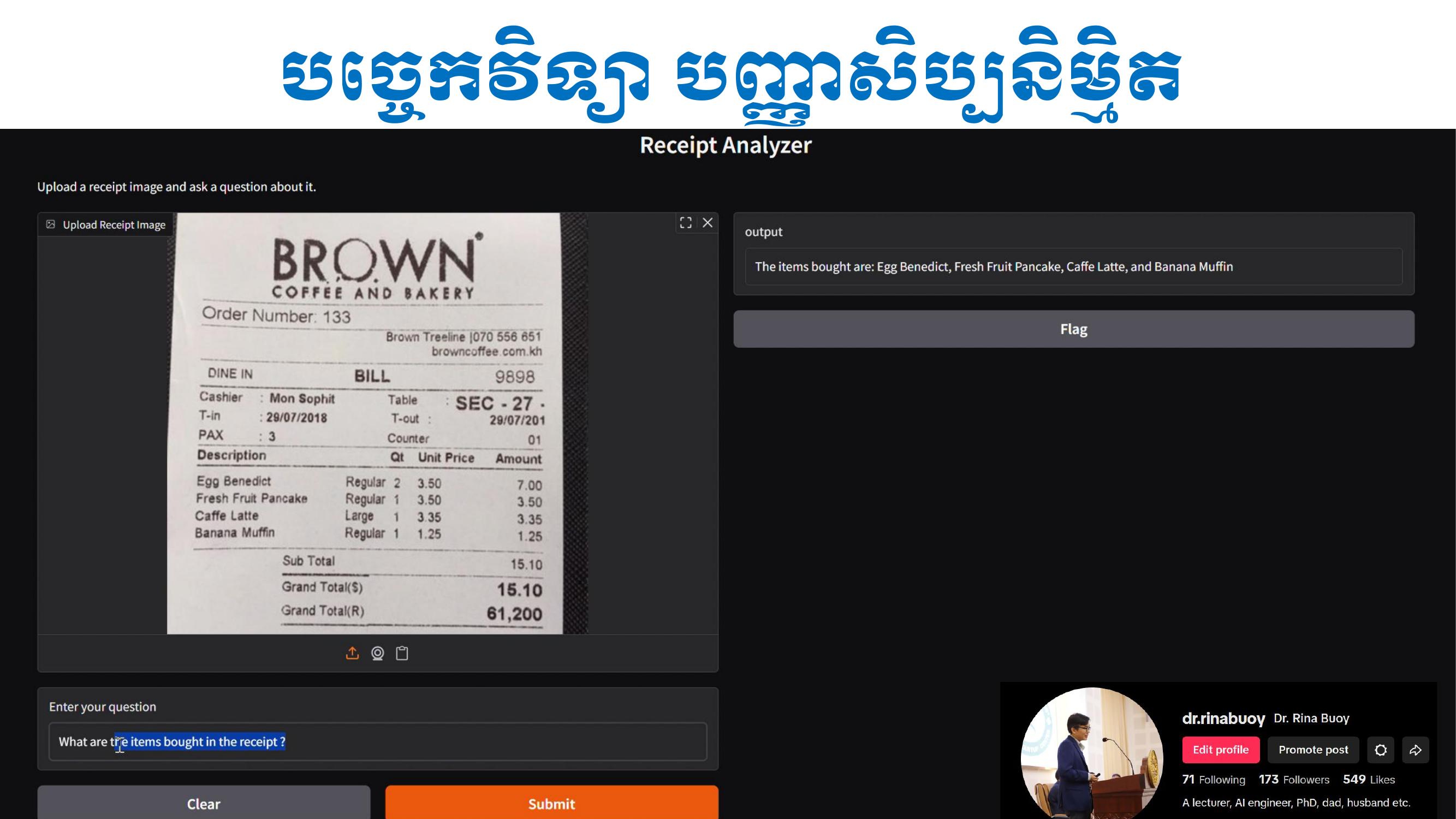
- Optical Character Recognition (OCR): This technology can be used for managing financial statements and invoices, automating data extraction from documents. OCR is also valuable for identity card verification, as seen in applications used by banks for KYC (Know Your Customer) processes.
Speech and Language Technology
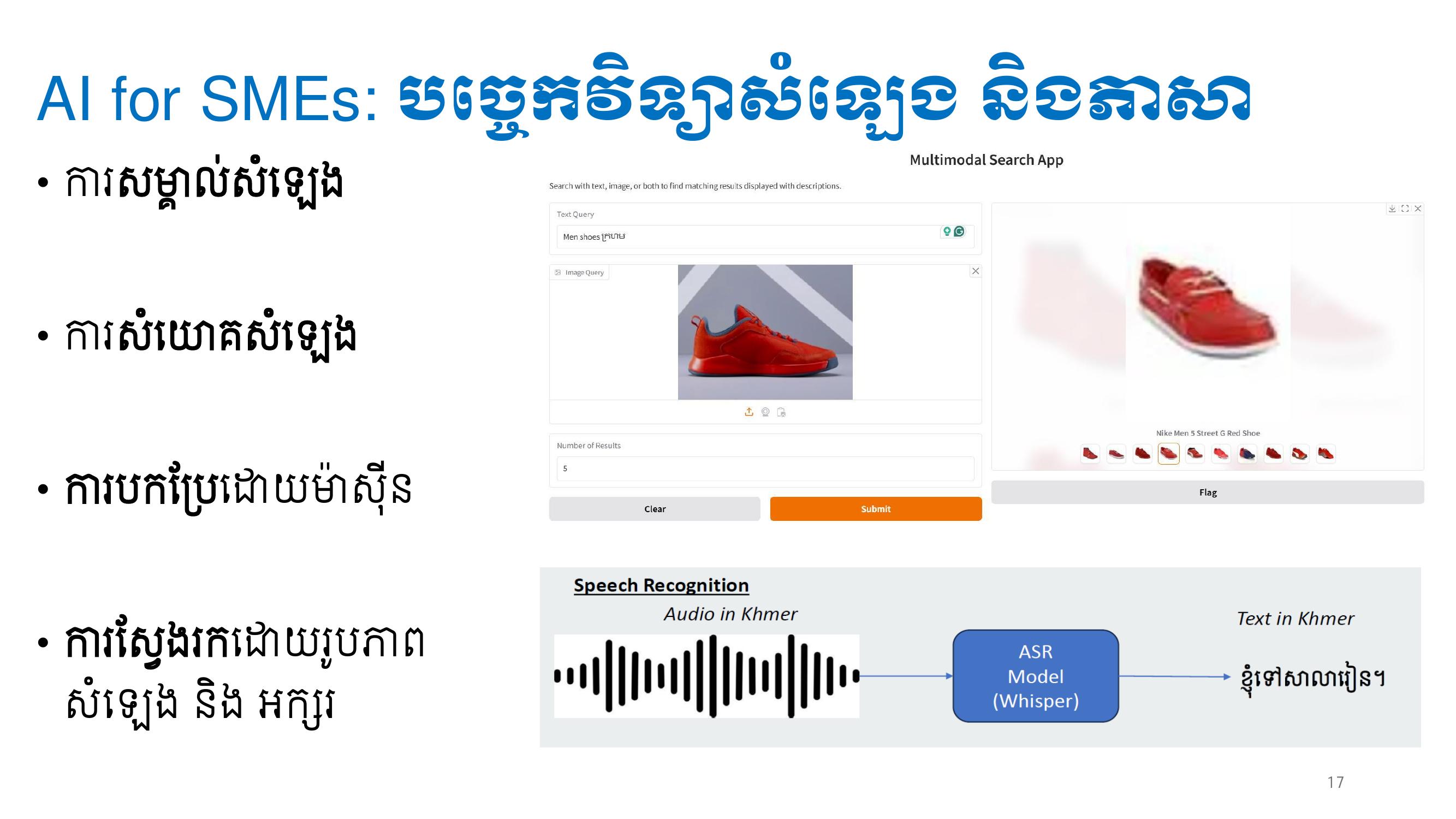
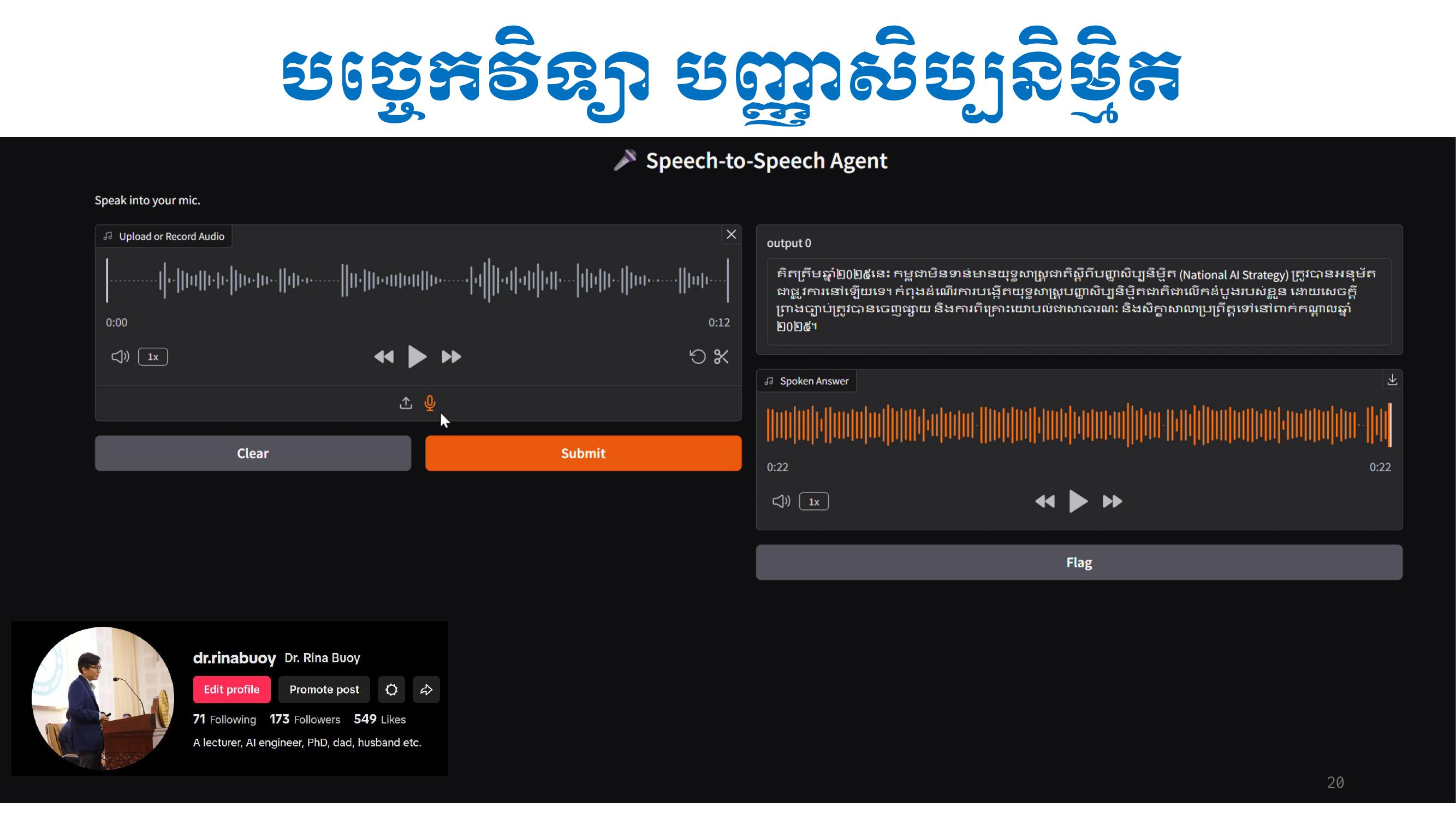
- Speech recognition and synthesis: AI can convert spoken language to text and vice-versa, enabling features like voice assistants and automated transcription.
- Emotion detection: AI can analyze vocal cues to detect emotions, which can be useful in customer service interactions.
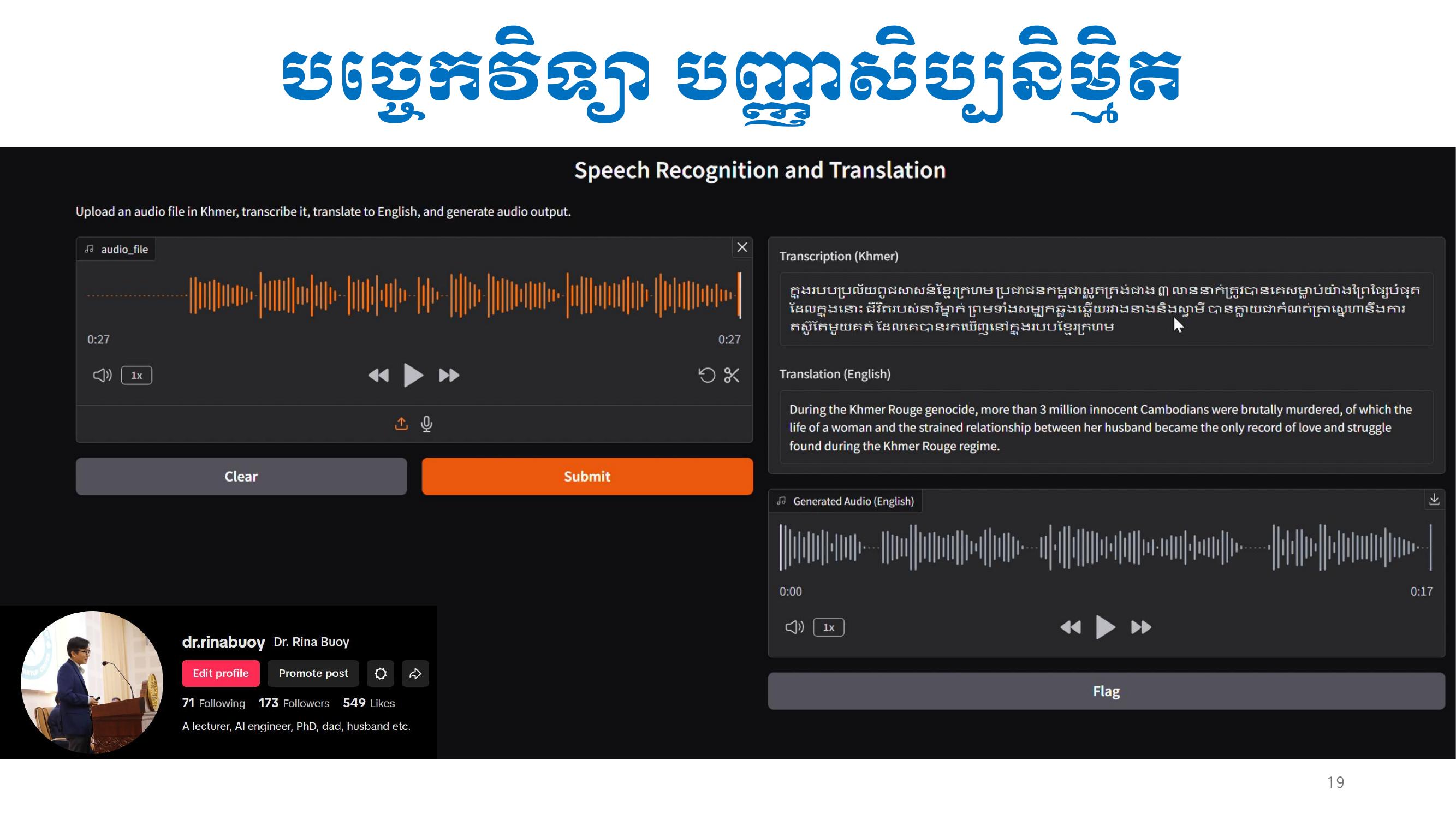
- Image, speech, and text search: AI can facilitate powerful search capabilities across different data types. For example, AI can analyze a receipt image and answer questions about the items purchased. It can also transcribe audio from one language and translate it into another, generating an audio output in the translated language.
Integrating AI into Your Organization
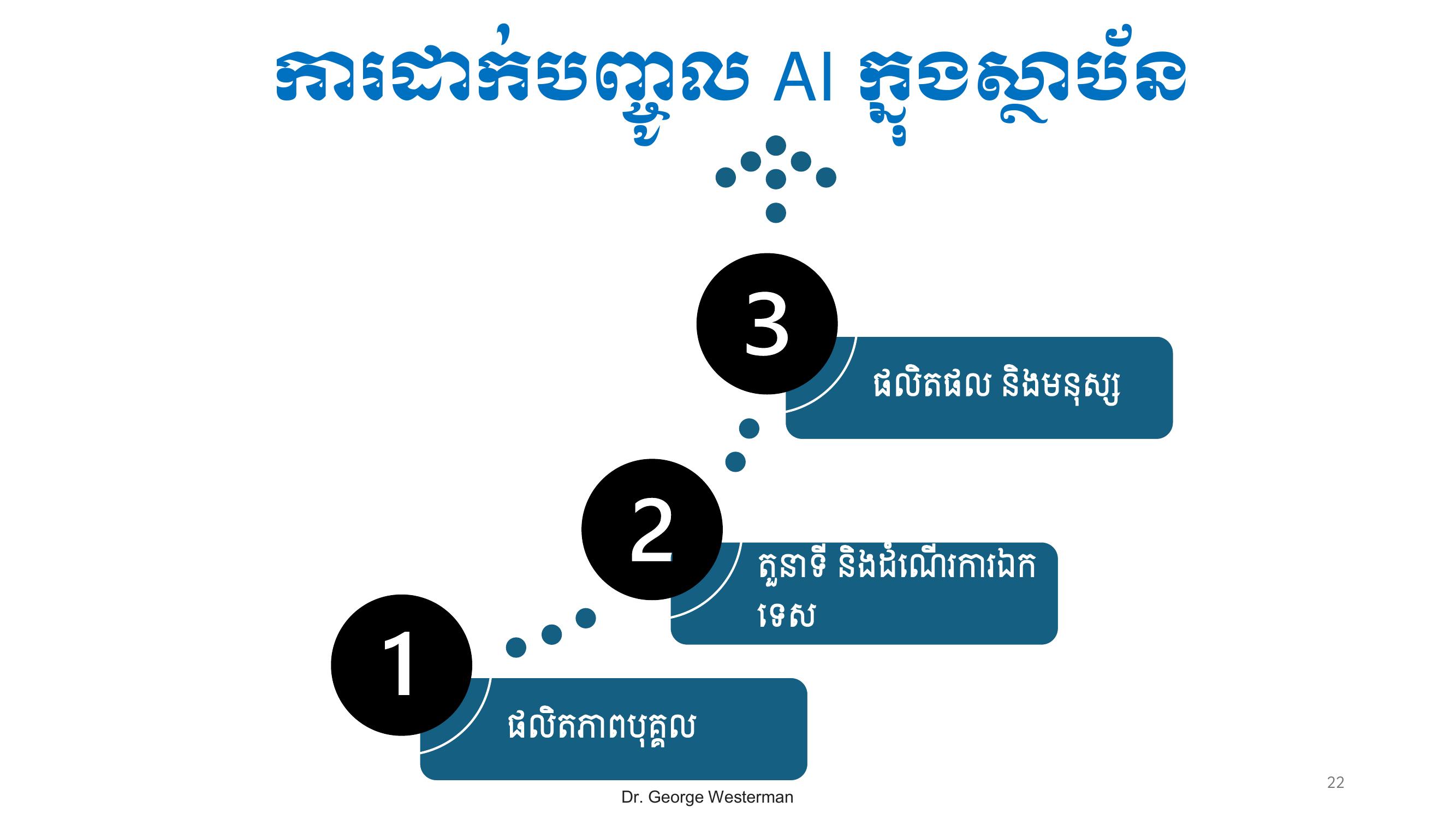
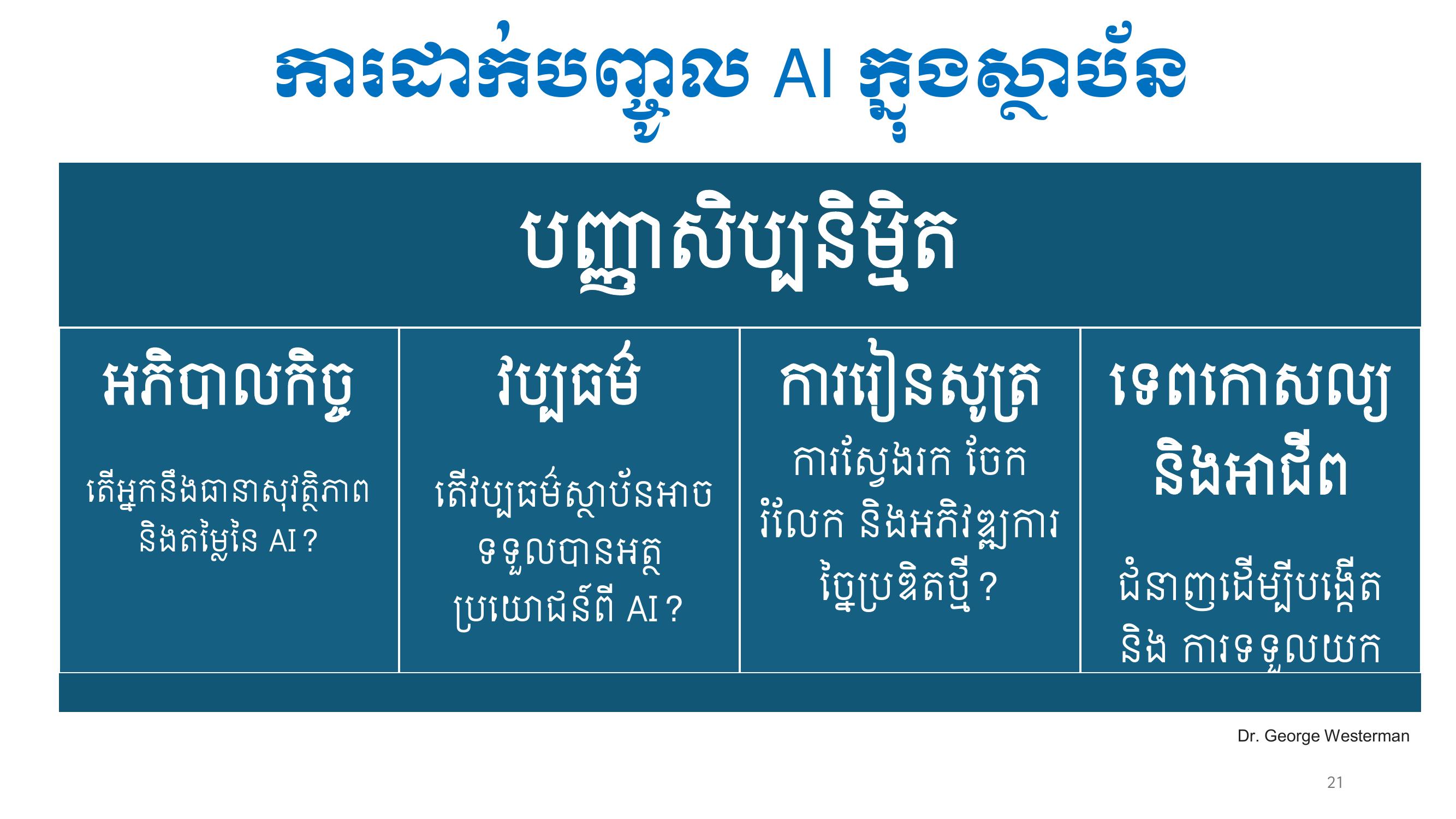
Successfully integrating AI requires more than just adopting new technology; it demands a shift in organizational culture and capabilities. Organizations need to consider:
- AI Governance: Establishing frameworks to ensure the security, safety, and value of AI applications.
- Culture: Fostering a learning environment where employees embrace AI and are willing to experiment and innovate.
- Talent and Skills: Developing existing talent and bringing in new expertise to leverage AI effectively.
- Productivity and Processes: Reimagining roles and streamlining processes to maximize the impact of AI.
Conclusion
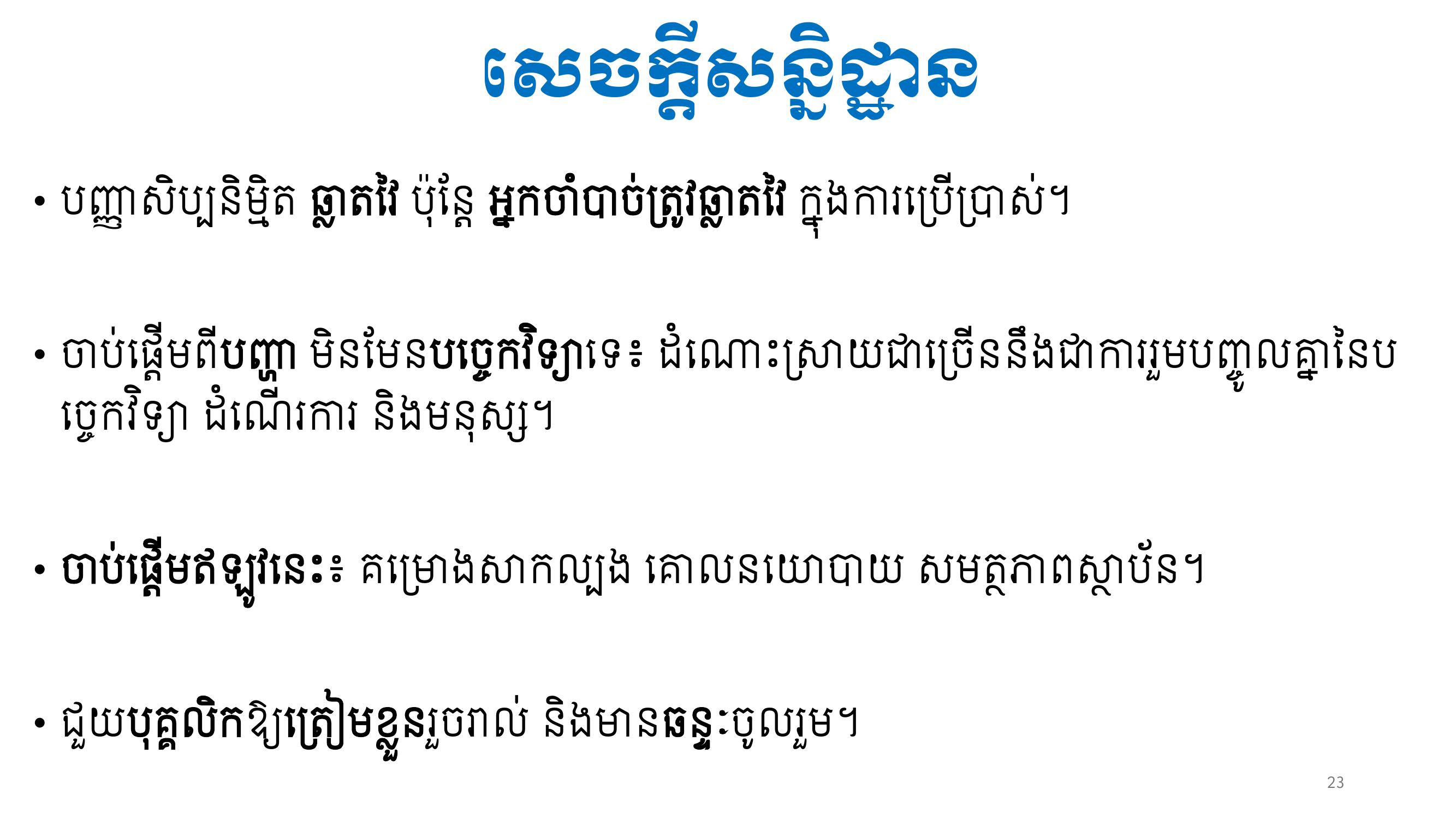
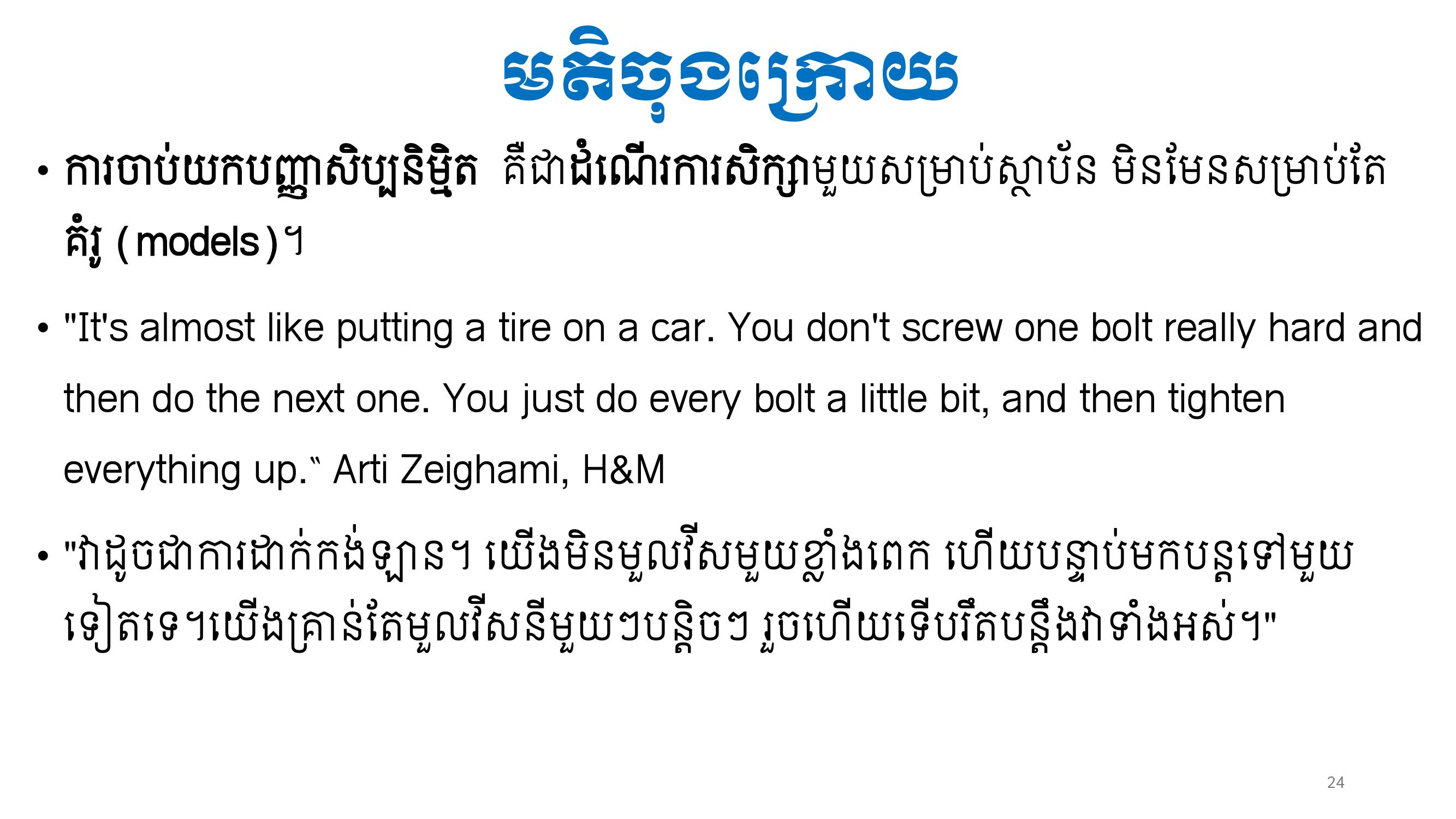
The journey into AI for SMEs is an iterative learning process for the entire organization, not just a matter of implementing models. It’s about taking small, consistent steps and gradually tightening everything up, much like putting a tire on a car – you don’t tighten one bolt completely, but rather tighten each a little bit at a time. Start small, experiment, define your goals, and empower your employees to be ready and willing to participate. By embracing AI, Cambodian SMEs can unlock significant potential for growth, efficiency, and competitiveness in the modern economy.